
Treatments we provide
Ovarian vein embolisation is a minimally invasive, image-guided treatment for pelvic venous disease, including pelvic congestion syndrome. The procedure treats abnormal refluxing pelvic veins that allow blood to flow backwards and pool within the pelvis.
Treatment commonly involves the ovarian veins and, when required, other abnormal pelvic veins. By closing these refluxing veins, blood is redirected through healthy venous pathways.
Learn more about pelvic congestion syndrome, including its symptoms, diagnosis and causes.
Procedure
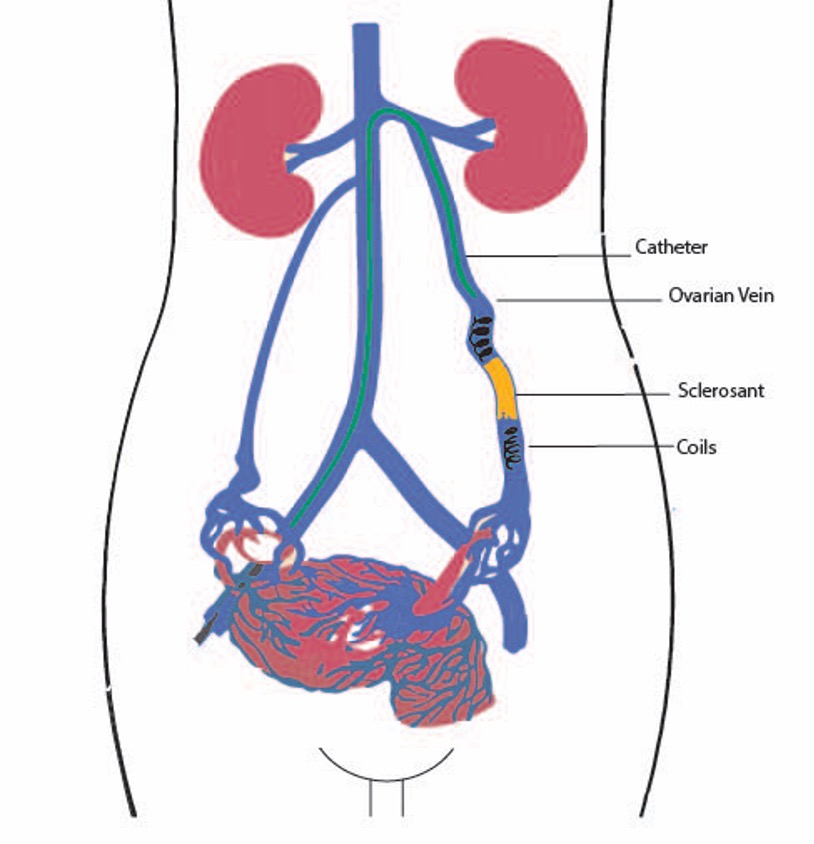
Ovarian vein embolisation is performed by an interventional radiologist using X-ray guidance. A small catheter is inserted into a vein, usually through the arm, neck or groin, and guided into the abnormal pelvic veins.
Venography is performed to identify the ovarian veins and other pelvic veins with abnormal reflux. These veins are then treated using coils and/or a sclerosing agent to close the abnormal veins and redirect blood through healthy venous pathways.
The procedure is minimally invasive and is usually performed under local anaesthetic with sedation. It typically takes around one hour, although this varies depending on the number and anatomy of the veins requiring treatment. Most patients are able to return home the same day.
What are the benefits of ovarian vein embolisation?
Ovarian vein embolisation is a minimally invasive treatment for symptomatic pelvic venous reflux. Potential benefits include:
- Minimally invasive treatment without a surgical incision
- Usually performed as a day procedure
- Relatively short recovery time
- Improvement in pelvic pain and other symptoms in appropriately selected patients
- Ability to treat multiple abnormal pelvic veins during the same procedure when required
The degree of symptom improvement varies between patients and depends on the underlying pattern of pelvic venous disease.
What are the risks?
Ovarian vein embolisation is generally well tolerated, but as with any medical procedure there are potential risks and complications. These may include:
- Bruising, bleeding or infection at the catheter insertion site
- Temporary pelvic or back discomfort following embolisation
- Nausea or reaction to contrast material
- Migration of coils or other embolic material
- Injury to a blood vessel
- Persistence or recurrence of symptoms despite treatment
Serious complications are uncommon. Dr Ryan McConnell will discuss the expected benefits, alternatives and individual risks of treatment during your consultation.
Recovery
Most patients are able to return home on the same day as their ovarian vein embolisation. Because sedation is usually used, you will need someone to take you home and you should not drive for 24 hours after the procedure.
Some pelvic, abdominal or lower back discomfort can occur during the first few days after embolisation and can usually be managed with simple pain relief. Patients are encouraged to stay well hydrated and undertake light activity during their recovery.
Most patients can return to normal daily activities within a few days, although strenuous exercise and heavy lifting should generally be avoided for approximately one week. Recovery varies between patients, and Dr McConnell will provide individual instructions following your procedure.
Follow-up
Dr McConnell will arrange follow-up after your ovarian vein embolisation to assess your recovery and response to treatment. An initial follow-up is usually performed within the first few weeks after the procedure.
Further review may be arranged over the following months to assess improvement in pelvic pain and other symptoms. Additional imaging may be recommended in some patients depending on their symptoms and the pattern of pelvic venous disease.