
Article · Uterine fibroids
Uterine fibroid embolisation vs hysterectomy: which option is right for you?
Uterine fibroids are non-cancerous growths that develop in or around the uterus. They are very common and can cause heavy periods, pain, pressure and other symptoms that affect daily life.
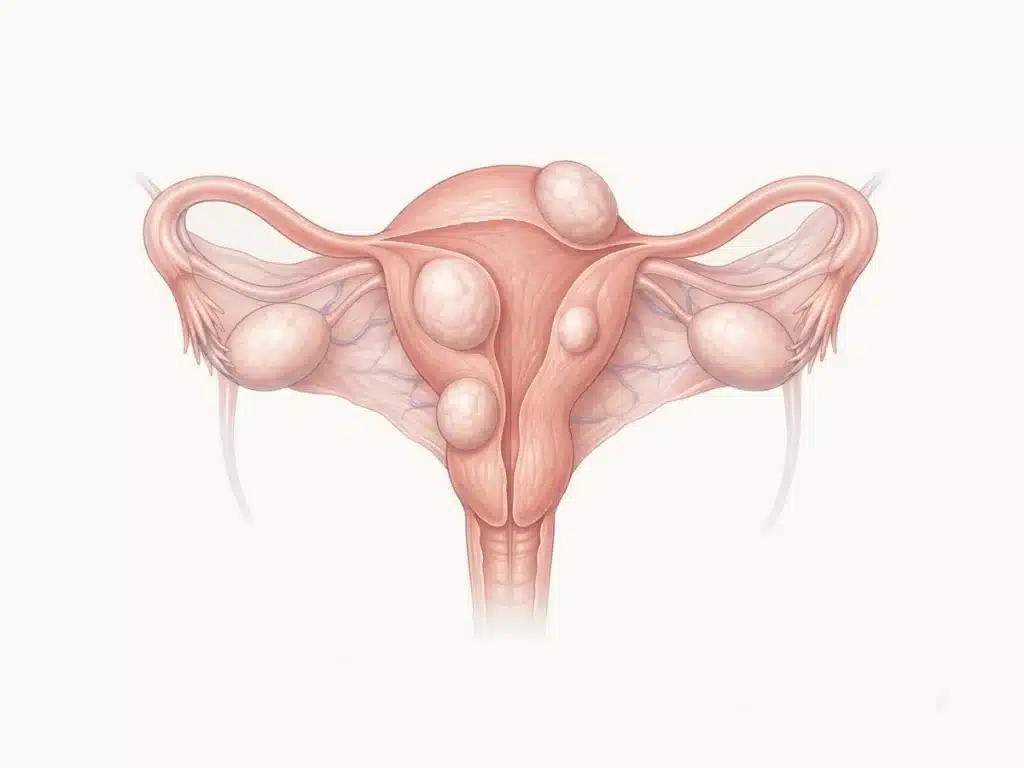
If fibroids are causing significant symptoms, there are several possible treatments depending on your age, the size and position of the fibroids, and whether you hope to become pregnant in future. These include medication, fibroid removal surgery (myomectomy), hysterectomy and uterine fibroid embolisation (UFE).
UFE and hysterectomy are very different treatments. Understanding the difference can help you have a more useful conversation with your doctor.
When do uterine fibroids need treatment?
Fibroids can cause a range of symptoms, including:
- heavy or prolonged menstrual bleeding
- pelvic pain or pressure
- frequent urination caused by pressure on the bladder
- a visibly swollen or enlarged abdomen
- discomfort during intercourse
What is uterine fibroid embolisation (UFE)?
UFE is a minimally invasive procedure performed by an interventional radiologist. A small catheter is guided into the uterine arteries and tiny particles are released to block the blood supply to the fibroids, causing them to shrink gradually over time. UFE is generally performed with local anaesthetic and sedation, and some patients stay in hospital overnight for pain management and monitoring.
What does a hysterectomy involve?
A hysterectomy is surgery to remove the uterus, performed by a gynaecologist. Because the uterus containing the fibroids is removed, it is considered a definitive treatment, and pregnancy is no longer possible afterwards. Whether hysterectomy is the right choice depends on your symptoms, health, age, personal preferences and plans for future pregnancy.
Recovery
UFE generally involves a shorter initial recovery than major surgery. Cramping, tiredness, a mild fever and some vaginal bleeding or brown discharge can occur during the recovery period. Research reviews have found that women who had uterine artery embolisation typically had shorter hospital stays and returned to normal activities sooner than women who had surgery, although this evidence has some limitations.
Is UFE as effective as surgery?
UFE can provide meaningful symptom relief and is a recognised treatment option for symptomatic fibroids. Research has found no clear difference in patient satisfaction between UFE and surgery at up to two years. However, women who had UFE were more likely to need a further procedure within two to five years than those who had surgery. This trade-off is worth discussing openly with your doctor.
What if I want to become pregnant in future?
If you hope to become pregnant, this is an important part of the decision. Hysterectomy is not an option, and myomectomy is often preferred. UFE may be considered in some situations after discussion with your gynaecologist.
When should you see a doctor?
Speak with a doctor if you have heavy or prolonged periods, ongoing pelvic pain or pressure, or symptoms that affect your daily routine or quality of life. Seek prompt medical care if you have very heavy bleeding that soaks through pads quickly, severe pain, or signs of anaemia such as dizziness or extreme tiredness.
Next steps
Discuss your options with Dr Ryan McConnell
Dr McConnell can review your symptoms and imaging, discuss whether UFE may be suitable, and work alongside your GP and gynaecologist.