
Article · Spine and pain
What is interventional pain management?
Chronic pain affects millions of people and can significantly impact quality of life, making even daily activities difficult. If you’re struggling with persistent discomfort, you may be wondering, what is interventional pain management and how can it help? Interventional pain management offers minimally invasive, targeted treatments designed to relieve pain at its source.
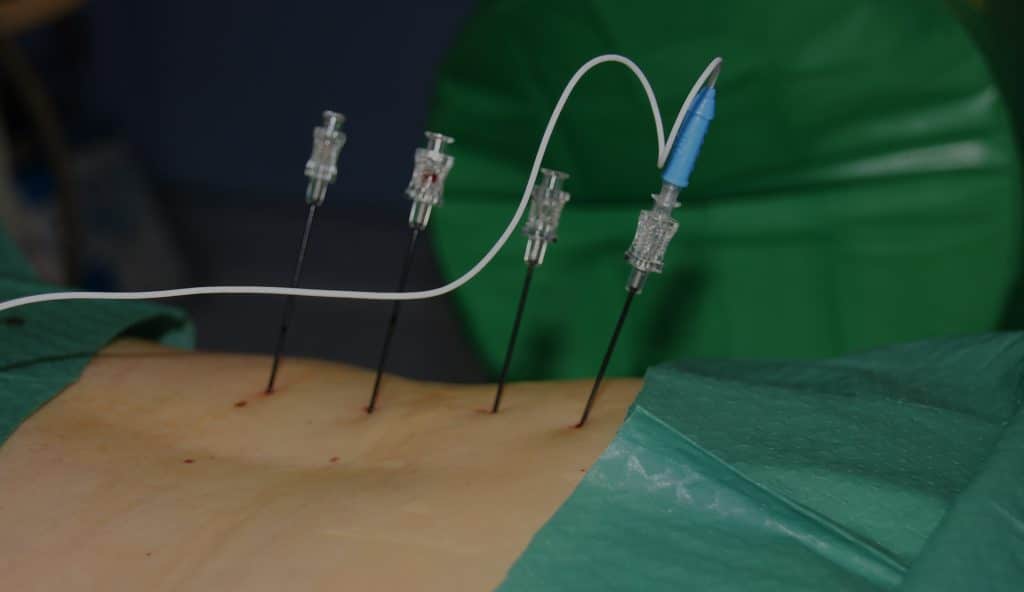
Dr Ryan McConnell provides a range of interventional pain management options tailored to treat chronic pain, reduce dependence on medications, and improve long-term wellbeing. This guide explores the main pain relief procedures, including nerve blocks, radiofrequency ablation, and neuromodulation therapy.
Interventional pain management: an overview
Interventional pain management is a specialised field focused on diagnosing and treating chronic pain using minimally invasive techniques. Unlike general pain management, which may rely heavily on medications or physical therapy, interventional pain management targets the specific nerves or tissues responsible for pain.
This approach is especially effective for people who suffer from:
- Chronic back pain
- Arthritis-related joint pain
- Sciatica
- Post-surgical pain
- Nerve pain or neuropathy
By focusing on precise pain relief, this method helps reduce reliance on long-term medications and provides sustainable relief.
Common interventional pain management techniques
1. nerve blocks for pain relief
Nerve blocks involve injecting a local anaesthetic—sometimes combined with steroids—near specific nerves to temporarily block the transmission of pain signals to the brain. They are widely used for diagnostic purposes (to identify the exact nerve causing pain) and for therapeutic relief. Common conditions treated with nerve blocks include:
- Facet joint pain, often linked to spinal arthritis
- Sciatica, caused by irritation of the sciatic nerve
- Chronic neck or back pain, where muscle or nerve inflammation is involved
Nerve blocks can provide immediate pain relief, in terms of
how long they last
, they often last from days to weeks, and can be repeated as needed.
2. steroid injections
Steroid injections are a effective minimally invasive treatment for reducing inflammation and relieving pain in joints and the spine. These injections deliver a combination of corticosteroids (to reduce inflammation) and local anaesthetic (for immediate pain relief) directly into the affected area.
They are commonly used for:
- Facet joint pain in the neck or back
- Sacroiliac joint dysfunction
- Shoulder, hip, or knee arthritis
- Degenerative changes in the spine
Patients often notice an improvement within a few days, with relief lasting weeks to months, depending on the condition. These injections are ideal for individuals seeking targeted relief from joint-related or spinal pain, helping them return to daily activities with greater ease.

These injections are ideal for individuals seeking targeted relief from joint-related or spinal pain, helping them return to daily activities with greater ease.
3. radiofrequency treatment
Radiofrequency treatment is a minimally invasive procedure that uses radio wave energy to heat targeted nerves and interrupt pain signals. A small needle is placed near the affected nerve under image guidance, and controlled heat is applied to temporarily disable the nerve’s ability to transmit pain.
This treatment is particularly effective for:
- Facet joint pain in the neck or lower back
- Chronic spinal arthritis
- Sacroiliac joint dysfunction
Patients often experience significant pain relief lasting 6 to 12 months, and for some, the effects can last even longer. Radiofrequency treatment is an excellent option for those seeking long-term relief without the need for surgery.
4. trigger point injections
Trigger points are tight knots of muscle that can cause localised pain and discomfort in other parts of the body. Trigger point injections involve injecting a small amount of anaesthetic or saline directly into the muscle knot to relieve tension.
These injections are particularly beneficial for:
- Fibromyalgia
- Myofascial pain syndrome
- Tension headaches caused by muscle tightness
Patients often feel immediate relief, with longer-term improvement when combined with other therapies.
Conditions treated with interventional pain management
Interventional techniques are suitable for various conditions, including:
Chronic back pain treatment – managing persistent spinal discomfort from arthritis, disc issues, or injury
Chronic neck pain – addressing pain caused by cervical facet joint dysfunction, arthritis, or muscle tension
Sciatica treatment options – relieving leg pain caused by nerve compression
Managing arthritis pain – reducing inflammation in joints for improved mobility
Post-surgical pain – controlling pain after major surgeries, including spinal operations
Nerve pain syndromes – such as neuropathy or complex regional pain syndrome
At Dr Ryan McConnell, we focus on minimally invasive pain relief that can effectively address both vascular-related and nerve-related pain conditions.
Pain management alternatives to surgery
For many individuals, surgery is not the preferred option for pain relief—whether due to risks, downtime, or personal choice. Interventional pain management offers long-term pain relief through less invasive procedures that are backed by evidence.
These methods are often combined with a holistic pain management therapy plan, including:
- Lifestyle modifications, such as weight management and posture correction
- Physical therapy, to strengthen muscles and improve flexibility
- Nutritional support, focusing on anti-inflammatory diets
- Medication management, when appropriate, with a focus on reducing long-term dependence
By addressing pain from multiple angles, patients can achieve sustainable relief and regain control over their lives.
Frequently asked questions
What is interventional pain treatment and how is it different from other treatments?
Interventional pain management focuses on minimally invasive procedures like nerve blocks, spinal injections, and neuromodulation to target the source of pain directly. Unlike general pain management, it reduces reliance on medications and provides longer-lasting relief.
Is interventional pain management suitable for chronic conditions?
Yes. It’s especially effective for chronic pain treatment, including arthritis, sciatica, back pain, and nerve disorders. These techniques are often used when conservative treatments are no longer effective.
Are interventional pain procedures safe?
Yes. These are minimally invasive procedures with a strong safety record when performed by experienced specialists. Recovery is typically quick, with many patients resuming normal activities shortly after treatment.
How long do interventional pain procedures last?
The duration of relief depends on the type of procedure. Nerve blocks may provide relief for days to weeks, while radiofrequency ablation can offer benefits for 6 to 12 months or longer. Spinal cord stimulation and intrathecal pumps are adjustable and can provide long-term relief when managed properly.
Can I combine interventional pain management with other therapies?
Yes. Interventional pain procedures are often part of a multidisciplinary approach to pain management. They can be combined with physical therapy, lifestyle changes, and other pain management techniques to maximise relief and support overall health and mobility.
This article is general information only and is not a substitute for advice about your own situation. Please talk to your GP or specialist about your symptoms.
Next steps
Discuss your options with Dr Ryan McConnell
Dr McConnell can review your symptoms and imaging, and discuss whether an image-guided procedure may help. Ask your GP for a referral, or contact the rooms to talk through your options.